
Carbon Steels
Carbon Steels
And Met Metal
Products
By Grade
We’re just a phone call away for your steel needs!
+90 216 766 00 50
info@andmet.com
Carbon Steels
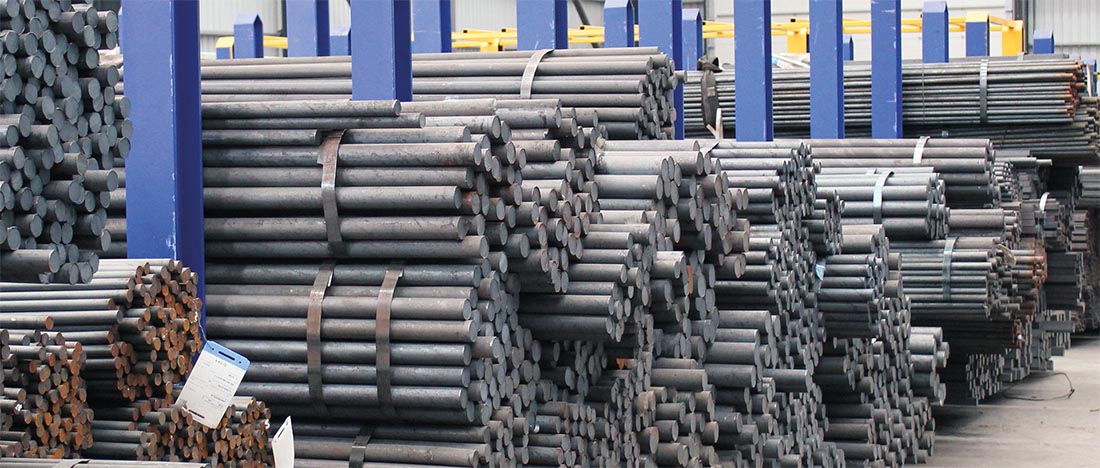
Carbon steels are among the most widely used steel types in industry thanks to their high strength, machinability and cost advantages. Offering different mechanical properties depending on their carbon content, carbon steels are trusted in construction, machine building, automotive, energy and heavy-industry applications.
Their high strength, weldability and formability allow them to adapt easily to a variety of production processes. Performing excellently in hot rolling, cold forming and machining, they provide durable and reliable solutions.
Advantages
- High strength and hardness
- Easy machinability
- Cost-effective and efficient use
- Wide range of applications
- Reliable mechanical performance
- Long service life
- Excellent value for money
Carbon steels deliver high performance even under demanding operating conditions, providing robust and sustainable solutions for your projects.
| CARBON STEELS | |
| 080A42 | C45 |
| S 35 C | C45R |
| C 60 R | SAE 1040 |
| CF 53 | SAE 1050 |
| C30 | SAE 1018 |
Case-Hardening Steels
Case-Hardening Steels
And Met Metal
Products
By Grade
We’re just a phone call away for your steel needs!
+90 216 766 00 50
info@andmet.com
Case-Hardening Steels
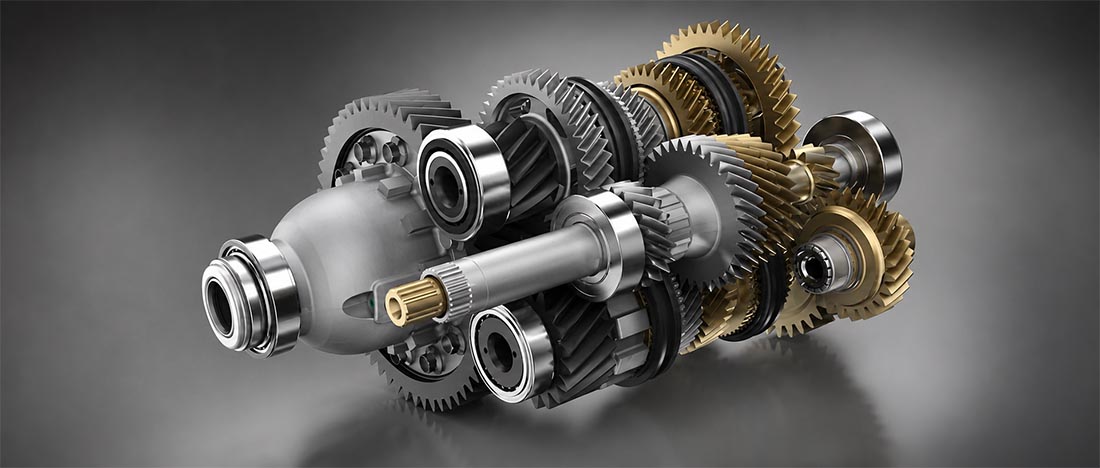
Case-hardening steels are special alloy steels with low carbon content that gain high wear resistance and impact strength through a surface-hardening process (carburising). In these steels the surface layer becomes very hard while the core remains tough and resilient. This provides both high load-bearing capacity and long service life, enabling the parts to carry heavy loads and withstand impact-type loading. In addition to gears, case-hardening steels should be used where high wear and fatigue resistance is required — machined shafts, pistons, chain links, discs, guides and bearing housings.
Key Properties
- High surface hardness
- Excellent wear resistance
- High resistance to impact and fatigue
- Tough, durable core
- Long service life
- Superior mechanical properties after surface hardening such as carburising, nitriding and carbonitriding
Applications
Case-hardening steels are especially preferred for machine parts used in machine parts subject to high wear and heavy loads:
- Automotive gears
- Gearbox (transmission) parts
- Differential gears
- Sprockets
- Shafts and axles
- Camshafts
- Bearing parts
- Industrial machinery equipment
Advantages
Through case hardening, the outer surfaces of parts can reach 58–62 HRC while the core remains flexible and tough. This reduces the risk of fracture — particularly in gears and power-transmission elements — while significantly extending service life.
Case-hardening steels are among the indispensable materials for engineering applications demanding high performance, long life and reliability.
| CASE-HARDENING STEELS | |
| 16/20 MnCr(S) 5 | SAE 8620H |
| 18 CrNiMo 7-6 | ZF1 |
| 18 NiCrMo 5 | ZF1A |
| 25 MoCr4 | 19 CN 5 |

Cold Drawn Bars
Cold Drawn Bars
And Met Metal
Products
By Production Method
We’re just a phone call away for your steel needs!
+90 216 766 00 50
info@andmet.com
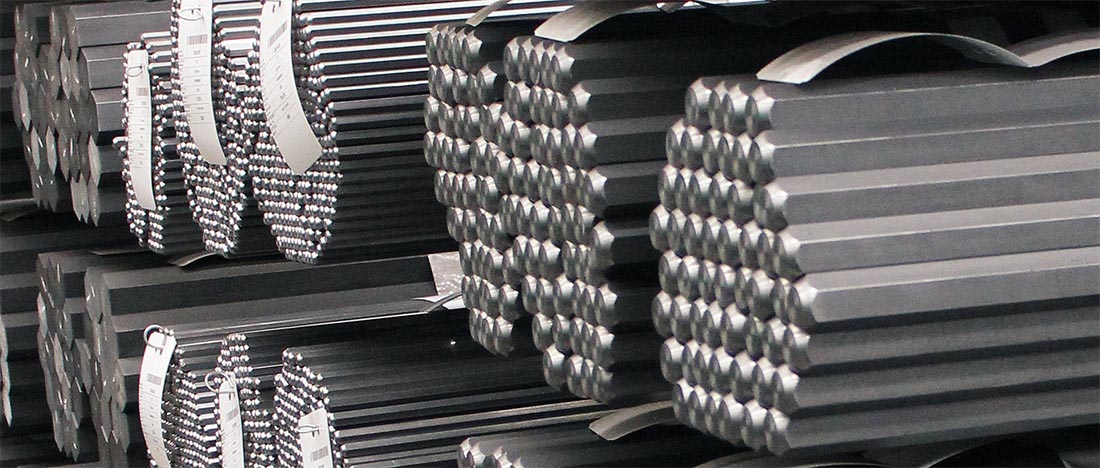
Cold Drawn Bars
Cold drawn bars are high-precision steel products obtained by shaping hot rolled steel bars at room temperature through special drawing processes. This method improves surface quality, tightens dimensional tolerances and enhances mechanical properties.
During cold drawing, the strength and hardness of the material increase while high precision is achieved in diameter and cross-section. Thanks to these properties, cold drawn bars are preferred in automotive, machine building, hydraulic and pneumatic systems, fasteners, the die and mould industry, defence and precision engineering applications.
Produced in round, square, hexagonal and special sections, cold drawn bars improve efficiency in machining thanks to their superior surface quality and high dimensional accuracy. They offer important advantages such as low surface roughness, shorter machining times and lower tool wear.
Mechanical tests, dimensional checks and surface quality inspections are carried out during production to ensure compliance with national and international standards. For applications requiring high strength, excellent surface quality and tight tolerances, cold drawn bars offer a reliable and economical solution.
| COLD DRAWN | ||
| FORM | SIZE RANGE | PRODUCTION STANDARDS |
| Round | 4-120 mm | EN 10278 h9/10/11 |
| Hexagon | 6-70 mm | EN 10278 h9/10/11 |
| Square | 8-60 mm | EN 10278 h11 |
| Flat | 10×5 -150×30 mm | EN 10278 h11 |

Forged Bars
Forged Bars
And Met Metal
Products
By Production Method
We’re just a phone call away for your steel needs!
+90 216 766 00 50
info@andmet.com
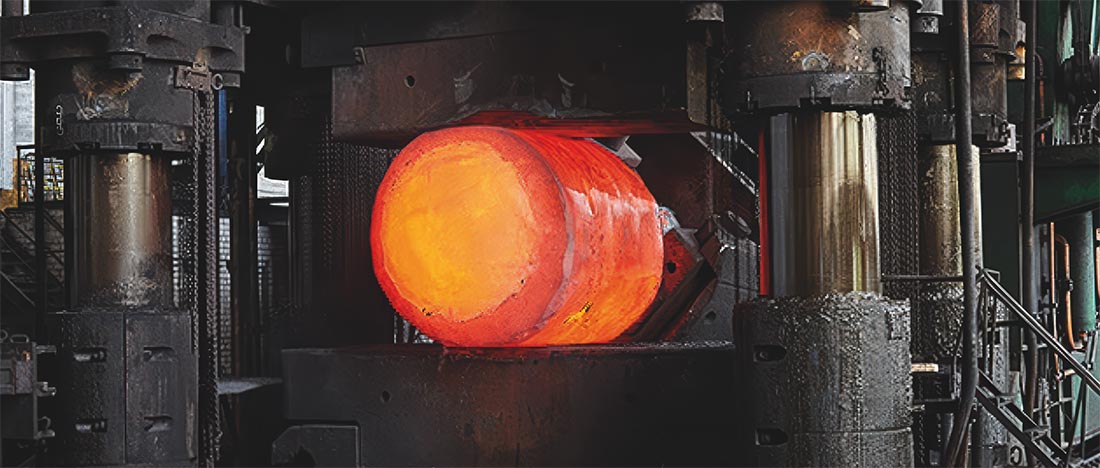
Forged Bars
Forged bars are high-strength engineering materials produced by shaping steel billets or ingots at high temperatures using forging presses and hammers. During forging, the internal structure of the steel is densified, the grain structure refined, internal voids reduced and the mechanical properties significantly improved.
As a result, forged bars can be used with confidence in applications requiring high strength, superior impact resistance and fatigue resistance. They are especially preferred in critical sectors such as heavy industry, energy, automotive, defence, shipbuilding, mining and machine building.
Forged bars are widely used to produce shafts, spindles, gears, axles, turbine components, pressure-equipment parts and machine components working under high loads. Because the grain flow of the material is aligned with the part geometry during production, machined parts achieve higher reliability and longer service life.
Available in round, square, rectangular and special sections, forged bars meet diverse engineering needs with a wide choice of sizes and grades. Quality processes supported by chemical analyses, ultrasonic testing, mechanical tests and dimensional checks ensure compliance with national and international standards.
Offering high mechanical performance, a homogeneous internal structure and superior durability, forged bars are an ideal engineering solution for critical applications requiring reliability and long life.
| FORGED BARS | ||
| SHAPE | SIZE | STD |
| Round | 200-1000 mm | DIN 7527-6 |
| Square | 150-1000 mm | DIN 7527-6 |
Free-Cutting Steels
Free-Cutting Steels
And Met Metal
Products
By Grade
We’re just a phone call away for your steel needs!
+90 216 766 00 50
info@andmet.com
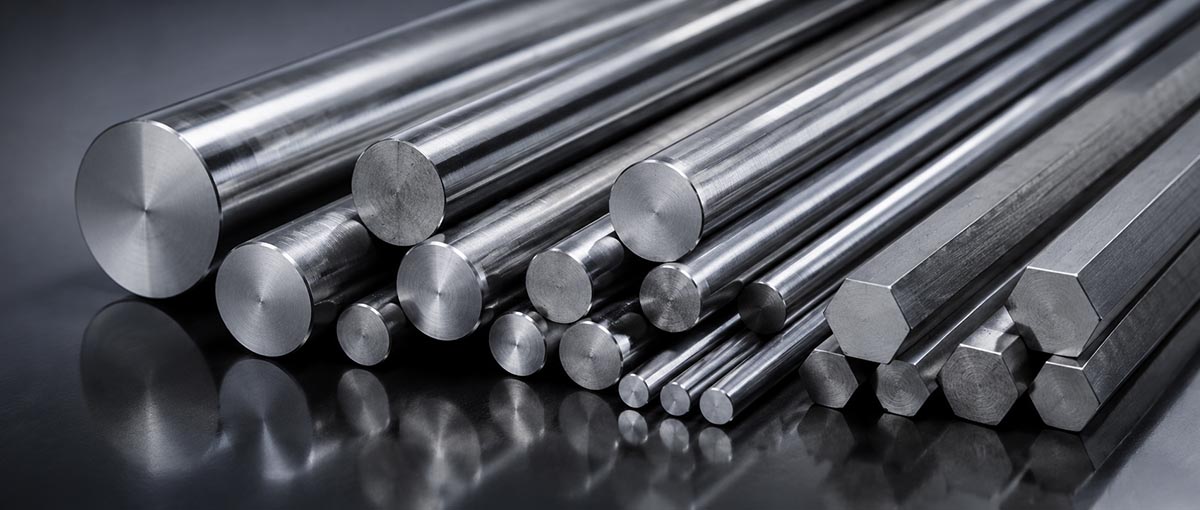
Free-Cutting Steels
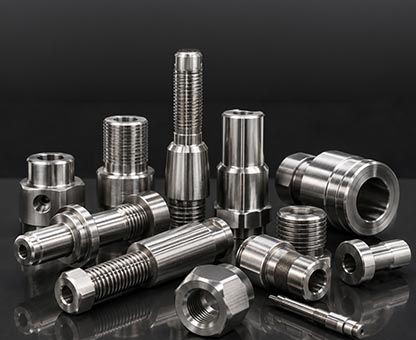
Free-cutting steels are special steels with high machinability, developed to increase efficiency in machining processes. Elements in their composition such as sulphur (S), lead (Pb) or phosphorus (P) allow cutting, drilling, turning and milling to be carried out faster and more economically. In machining they offer advantages such as high cutting speeds and correspondingly shorter machining times, longer tool life, good surface quality and lower cutting forces.
Key Properties
- Easy chip breaking
- Low tool wear
- High-speed production and efficiency
- Ability to achieve tight tolerances and good surface quality
- Suitability for mass production
- Poor weldability
Applications
Free-cutting steels are widely used in sectors with high-volume production:
- Bolt and nut production
- Fasteners
- Hydraulic and pneumatic parts
- Automotive supplier components
- Fittings and valve parts
- Electrical and electronic equipment components
- Precision machine parts
- Shaft, pin and bushing production
Advantages
Free-cutting steels allow much higher machining speeds than standard structural steels. This shortens production times, reduces tooling costs and increases production efficiency. They perform exceptionally well on CNC lathes and automatic machining centres. Chips break easily.
Free-cutting steels are engineering steels with high machinability, preferred for applications requiring fast, precise and economical production.
| FREE-CUTTING STEELS |
| 11 SMn 30 (9 SMn 28) |
| 11 SMn 37 (9 SMn 36) |
| 11 SMnPb 30 (9 SMnPb 28) |
| 11 SMnPb 37 (9 SMnPb 36) |
| 35 S 20 |
| SAE 12L14 |
| 220M07 |
| EN 8M |
| SAE 1117 |
| AISI C12L14 |
| 44SMN28 |

Ground Bars
Ground Bars
And Met Metal
Products
By Production Method
We’re just a phone call away for your steel needs!
+90 216 766 00 50
info@andmet.com
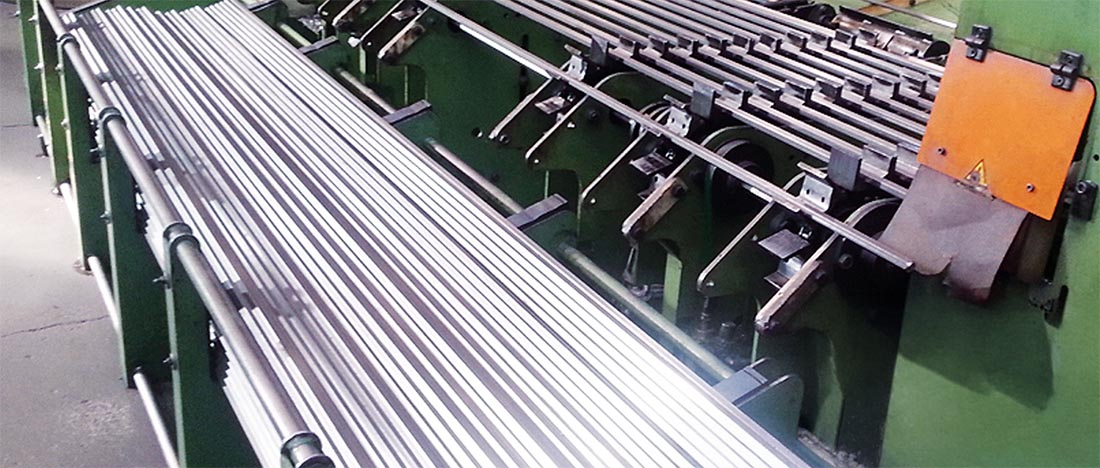
Ground Bars
Ground steel bars are high-precision engineering products obtained by precision grinding of steel bars that have already been peeled or cold drawn. Grinding significantly improves surface quality, while diameter tolerances can be reduced to the micron level.
This production method offers ideal solutions for applications requiring excellent surface smoothness and high dimensional accuracy. Ground bars are widely used in linear shafts, hydraulic and pneumatic cylinder rods, bearing housings, high precision components, automation systems and various motion-transmission mechanisms.
Grinding removes minor surface defects, improves roundness and straightness, and produces a more homogeneous surface. These properties increase wear resistance and reduce friction in moving systems, giving longer service life and higher performance.
Ground steel bars can be produced in various steel grades and a wide range of diameters, and can be supplied to tight tolerances according to customer requirements. Dimensional checks, surface roughness measurements and quality tests during production ensure compliance with national and international standards.
Offering high precision, superior surface quality and reliable mechanical performance, ground bars are among the engineering materials of choice for projects that demand quality and efficiency in modern industry.
| GROUND | ||
| FORM | SIZE RANGE | PRODUCTION STANDARDS |
| Round | 10-80 mm | EN 10278 h7/h8/h9 |

Hot Rolled Bars
Hot Rolled Bars
And Met Metal
Products
By Production Method
We’re just a phone call away for your steel needs!
+90 216 766 00 50
info@andmet.com
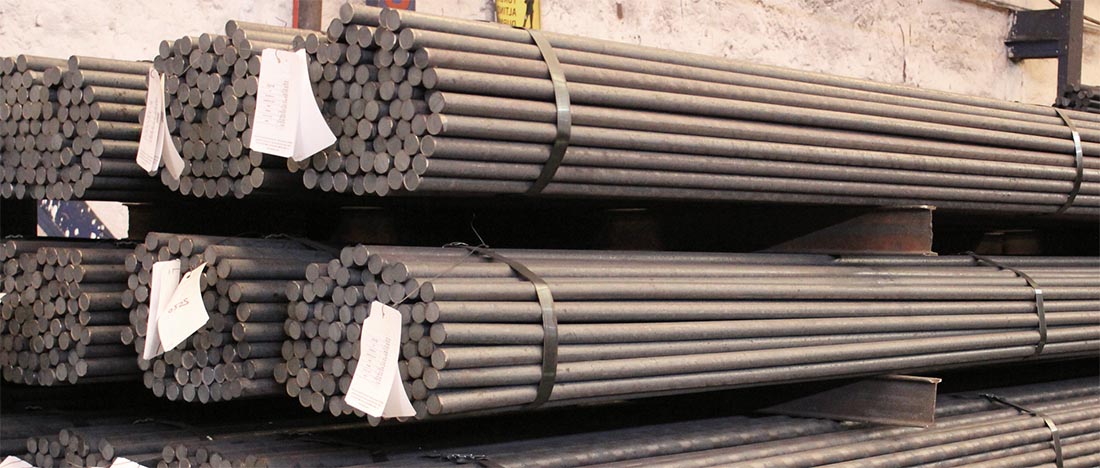
Hot Rolled Bars
Hot rolled bars are semi-finished products made by rolling steel billets (e.g. 160×160 to 200×200) at high temperatures (900–1200 °C) and are widely used across many areas of industry. During production the steel is formed above its recrystallisation temperature to the required diameter and cross-section. This method reduces internal stresses that could form in the material and produces a homogeneous structure.
Hot rolled bars are used extensively in general engineering applications such as machine building, the automotive industry, energy, construction, agriculture, shipbuilding and defence. Available in round, square, hexagonal and special sections, they are a suitable raw material for machining, forging, welding and various mechanical processes.
Manufactured to recognised standards, hot rolled bars offer high strength, good machinability, weldability and cost advantages. With grade options including carbon, alloy and stainless steels, they can meet a wide range of technical requirements.
Chemical analyses, mechanical tests and dimensional checks are performed during quality control to verify compliance with national and international standards. As a result, hot rolled bars are among the key engineering materials providing reliable performance and long service life.
| HOT ROLLED | ||
| FORM | SIZE RANGE | PRODUCTION STANDARDS |
| Round | 12 – 340 mm | EN 10060* |
| Hexagon | 15,5 – 100 mm | EN 10061 |
| Square | 10×10 – 250×250 mm | EN 10059 |
| Flat | 10×3 – 150×60 mm | EN 10058 / 10092 |
| Wide Flat | 160×20 – 500×80 mm | DIN 59200 |
| Wire Rod | 4 – 52mm | EN 1017 |
| * Up to 250 mm | ||
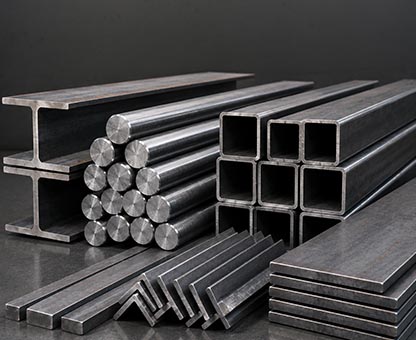
Micro-Alloyed Steels
Micro-Alloyed Steels
And Met Metal
Products
By Grade
We’re just a phone call away for your steel needs!
+90 216 766 00 50
info@andmet.com
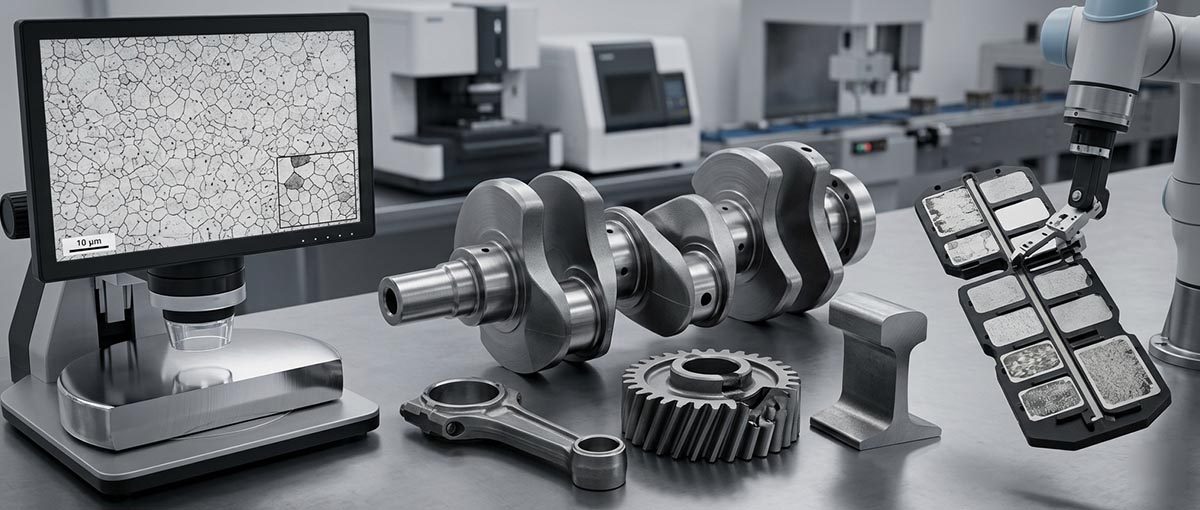
Micro-Alloyed Steels
Micro-alloyed steels are high-strength low-alloy steels to which alloying elements such as niobium (Nb), vanadium (V) and titanium (Ti) are added in very small amounts. This special alloying provides high strength, good toughness and superior weldability.
Key Properties
- Low alloy content and reduced cost
- No need for quenching or similar treatment after hot forging
- High yield and tensile strength
- Excellent weldability
- Good impact strength and toughness
- Easy forming thanks to low carbon content
- High fatigue resistance
- Suitability for light yet strong designs
Applications
Micro-alloyed steels are preferred in many sectors requiring high strength and reliability:
- Automotive chassis and load-bearing systems
- Pipelines and energy facilities
- Heavy construction machinery
- Agricultural machinery
- Railway and transport systems
- Pressure vessels and engineering structures
- Energy
Advantages
This property is a major advantage, particularly in applications where fuel efficiency, cost optimisation and increased load capacity are required. Thanks to their low carbon content, they also offer excellent weldability.
Why Micro-Alloyed Steel?
By combining high strength with low weight, micro-alloyed steels increase efficiency and safety in modern engineering applications. Offering durability, cost-effectiveness and long service life, they are among today’s most widely preferred advanced engineering materials.
| MICRO ALLOY STEELS | |
| 19 MnVS 6 | 38 MnVS6 |
| 30 MnVS 6 | ZF 59 |
| 38 MnSiVS 5 | |
Peeled Bars
Peeled Bars
And Met Metal
Products
By Production Method
We’re just a phone call away for your steel needs!
+90 216 766 00 50
info@andmet.com
Peeled Bars
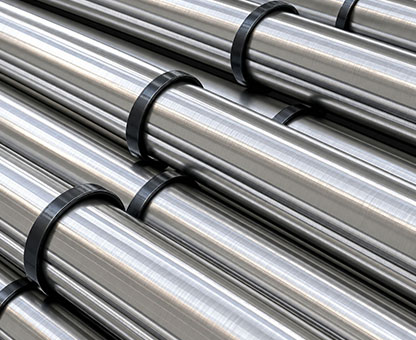
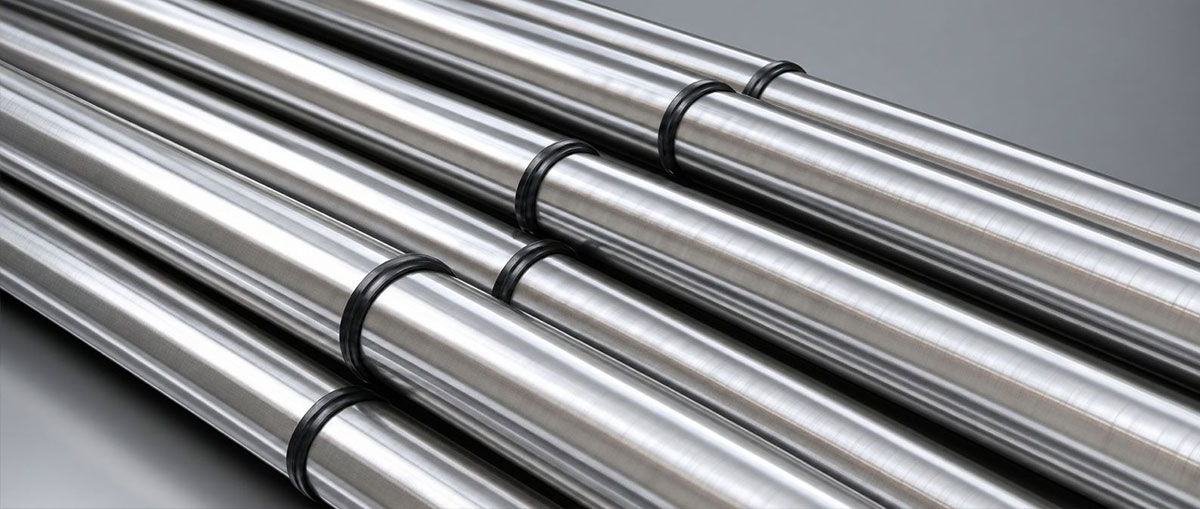
Peeled bars are high-precision steel products made by machining the surface of hot rolled steel bars at room temperature (removing a layer of chip). This method improves surface quality, tightens dimensional tolerances and removes minor surface defects and hairline cracks.
During peeling, possible hairline cracks on the surface are eliminated while high precision is achieved in diameter and cross-section.
These products are generally subjected to internal and external defect inspection; after surface hairline defects have been removed by peeling, they are used as zero-defect material for safety-critical parts in the automotive industry.
| PEELED | ||
| FORM | SIZE RANGE | PRODUCTION STANDARDS |
| Round | 15-160 mm | EN 10278 h9/10/11 |
| * >80 mm EN 10278 h11 | ||
Quenched & Tempered Steels
Quenched & Tempered Steels
And Met Metal
Products
By Grade
We’re just a phone call away for your steel needs!
+90 216 766 00 50
info@andmet.com
Quenched & Tempered (Heat-Treatable) Steels
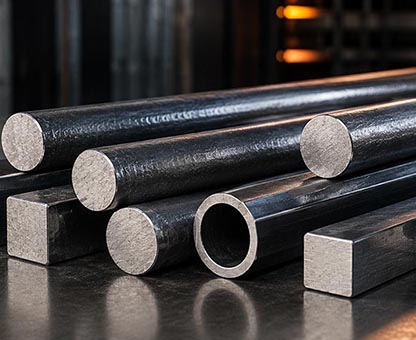
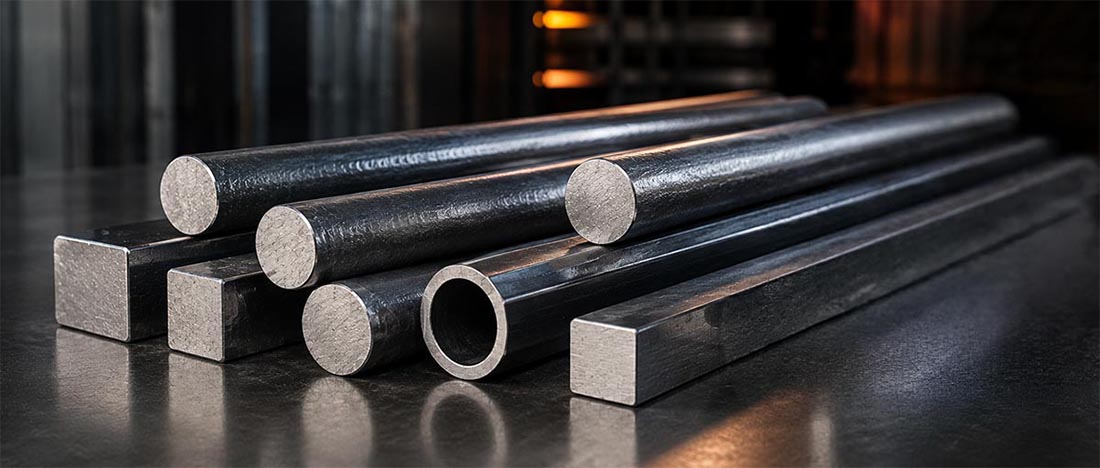
Quenched and tempered steels are engineering steels specifically developed for applications requiring high mechanical strength, toughness and wear resistance. Thanks to the superior mechanical properties obtained through heat treatment (hardening and tempering), they perform reliably under heavy loads. They contain higher levels of carbon than other grades.
Offering long service life thanks to their high tensile strength, impact resistance and fatigue strength, quenched and tempered steels retain their performance even in harsh operating conditions, providing reliable and efficient solutions for businesses.
Because of the superior mechanical properties achieved after quenching and tempering, these steels are used in machine and metal parts, various machine and engine components, forgings, various bolts, nuts and studs, crankshafts, gun barrels, piston rods and similar applications. They are especially preferred in the automotive, defence, aerospace and energy sectors.
Advantages
- High strength and hardness
- Superior impact and fatigue resistance
- Suitable for heat treatment
- High wear resistance
- Reliable, long-lasting performance
- Suitable for heavy-duty conditions
- High toughness
By combining durability and performance in critical engineering applications, quenched and tempered steels are among the indispensable materials of industrial production.
| QUENCHED & TEMPERED (HEAT-TREATABLE) STEELS | |
| 34 CrNiMo 6 | AISI 4145 |
| 39 NiCrMo 3 Pb | 605M36 |
| 41 Cr 4 | 817M40 |
| 42 CrMo 4 | SAE 4150 |
| AISI 4130 | SCM 440H |
| AISI 4140 | 31 CrMoV 9 |
Special Cold-Drawn Steel Tubes
Special Cold-Drawn Steel Tubes
And Met Metal
Special Products
We’re just a phone call away for your steel needs!
+90 216 766 00 50
info@andmet.com
Special Cold-Drawn Steel Tubes
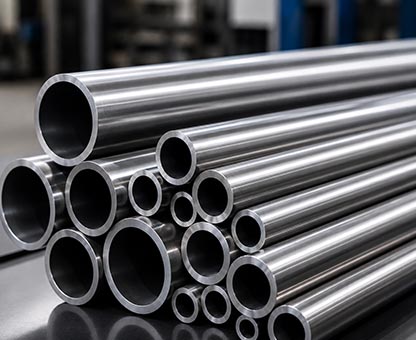
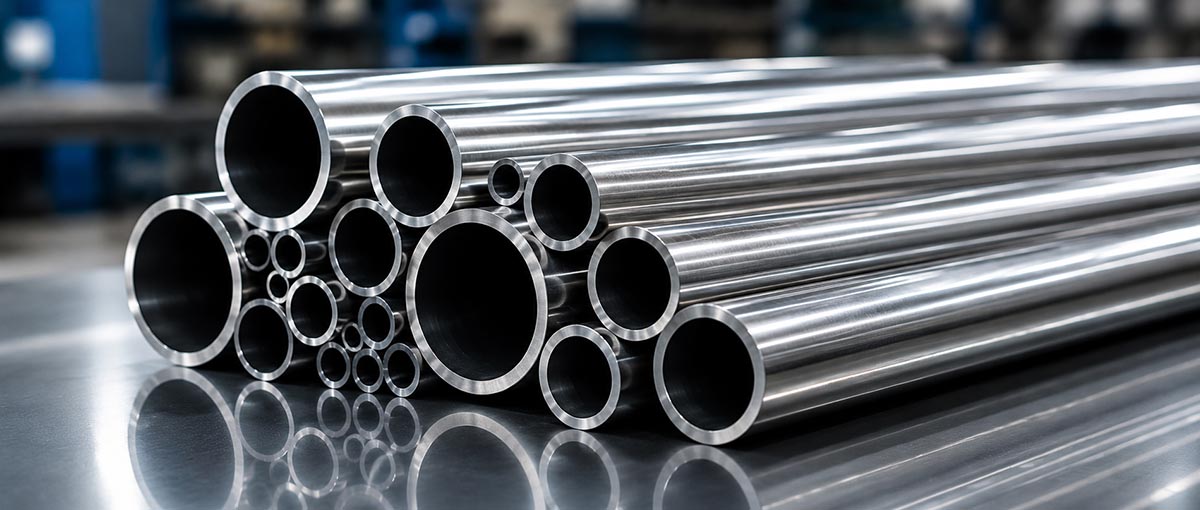
Special cold-drawn steel tubes are engineering products manufactured by cold drawing to achieve high precision, superior surface quality and improved mechanical properties. In this process, hot rolled or seamless tubes are passed through special dies to bring them to the required diameter, wall thickness and tolerances. The result is tubes with high dimensional accuracy and excellent surface quality.
Cold drawing increases the tubes’ strength, hardness and durability while reducing surface roughness to a minimum. These properties offer significant advantages in applications requiring precision machining. In projects with tight tolerance requirements, they reduce the need for additional machining and help lower production costs.
Special cold-drawn steel tubes are widely used in automotive, hydraulic and pneumatic systems, machine building, energy, defence, agricultural machinery and various industrial applications. They are preferred for cylinder bodies, shaft sleeves, mechanical support systems, precision machine parts and high-performance equipment.
Available in various steel grades, diameters and wall thicknesses, they can also be supplied in custom sizes on request. Chemical analyses, mechanical tests, dimensional measurements and surface quality checks during production ensure compliance with national and international standards.
Offering high precision, superior mechanical performance and excellent surface quality, special cold-drawn steel tubes are among the reliable, long-lasting engineering solutions modern industry needs.
|
Product group |
Standard |
Steel grade |
Surface condition |
Application |
|
Cold-drawn seamless tube |
DIN 2391 / EN 10305-1 |
St35, St45, St52 |
Bright / oiled |
Machine building, automotive |
|
Precision steel tube |
DIN 2393 / EN 10305-2 |
E235, E355 |
Bright |
Furniture, precision mechanisms |
|
Precision steel tube |
DIN 2394 / EN 10305-3 |
E195, E235 |
Bright |
General construction |
Special Profiles
Special Profiles
And Met Metal
Special Products
We’re just a phone call away for your steel needs!
+90 216 766 00 50
info@andmet.com
Special Profiles
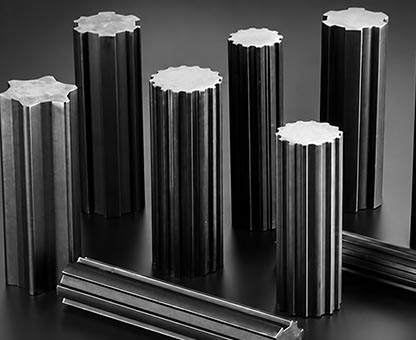
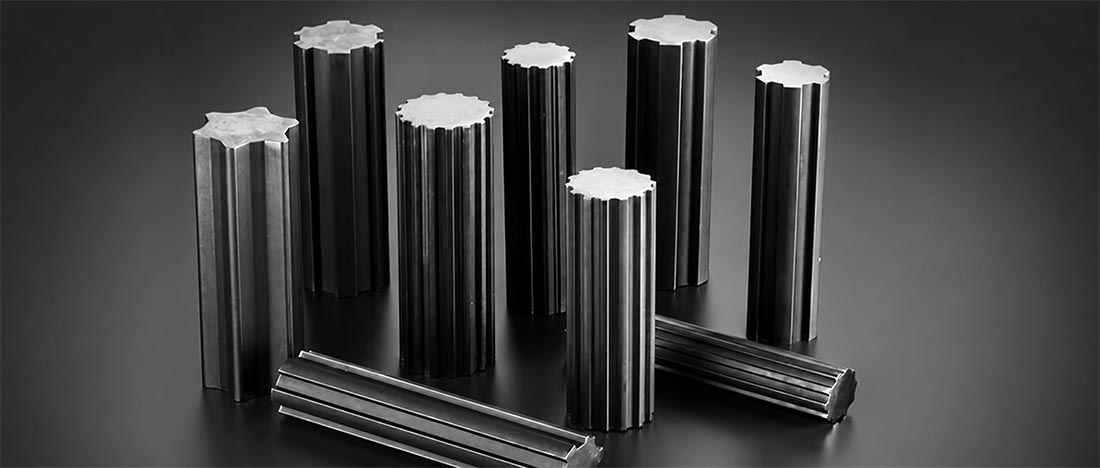
Special profiles are high-precision steel products manufactured in various cross-sectional geometries in line with customer needs and technical specifications. Beyond standard round, square or hexagonal sections, these profiles can be produced as U, T, I, L, channel, rail, toothed and complex project-specific sections, offering functional and economical solutions for engineering applications.
Production is carried out by hot rolling, cold drawing, profile drawing or special forming methods, achieving high dimensional accuracy, superior surface quality and the required mechanical properties. By meeting design requirements that standard products cannot, special profiles reduce additional machining costs and increase efficiency.
They are widely used in machine building, automotive, defence, energy, rail systems, agricultural machinery, building systems and industrial equipment manufacturing. Their complex geometries simplify assembly while optimising material use, contributing to lighter and stronger structures.
Special profiles can be produced in various steel grades and sizes; chemical analyses, mechanical tests and dimensional checks ensure compliance with quality standards. Thanks to high performance, precise production and project-specific design, they are among the indispensable engineering solutions of modern industry.
|
Profile type |
Standard |
Steel grade |
Tolerance class |
Application |
|
Special drawn profiles |
EN 10279 / DIN 1026 |
S235JR, S355J2 |
Standard |
Structural steel fabrication |
|
Cold-formed profiles |
EN 10162 |
S235JRC, S355MC |
Standard |
Roll forming |
Spring Steels
Spring Steels
And Met Metal
Products
By Grade
We’re just a phone call away for your steel needs!
+90 216 766 00 50
info@andmet.com
Spring Steels
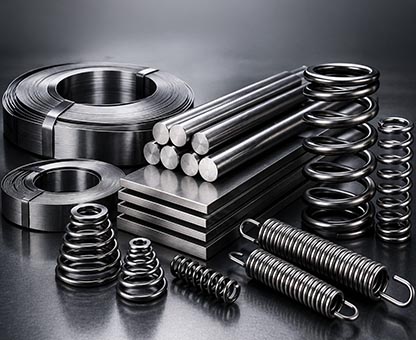
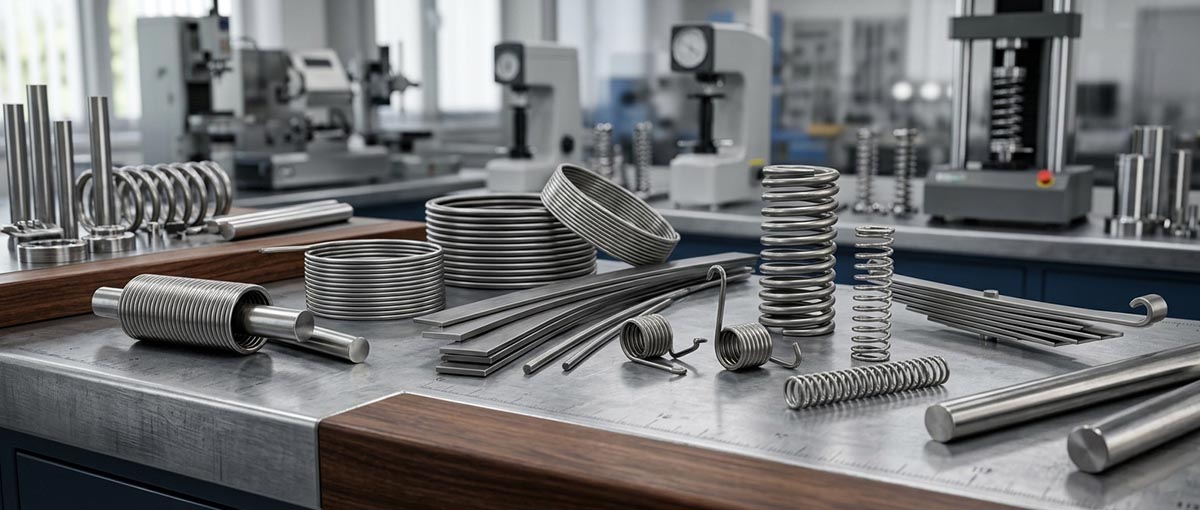
Spring steels are steel types produced specifically for applications requiring high elasticity, strength and fatigue resistance. Their ability to deform under load and return to their original shape when the load is removed gives them superior performance in energy storage and shock absorption.
Key Properties
- High elasticity and flexibility
- Superior fatigue strength
- High tensile and yield strength
- Ability to damp impact and vibration
- Wear resistance
- High load capacity
- High performance after heat treatment
- Good resilience
Applications
Spring steels are used in many systems exposed to continuous loading and unloading cycles:
- Automotive suspension springs
- Leaf springs
- Coil (helical) springs
- Disc springs and leaf springs
- Agricultural machinery
- Industrial equipment
- Railway systems
- Defence and heavy-industry applications
Types of Spring Steel
Carbon Spring Steels
High carbon content provides good elasticity and strength. Widely used for general-purpose springs.
Alloy Spring Steels
Contain alloying elements such as chromium, vanadium and silicon. They offer higher fatigue strength and superior performance in demanding operating conditions.
Advantages
Spring steels provide reliable performance by retaining their elastic properties even under high loads. By resisting fatigue under continuous operation, they reduce maintenance costs and extend system life.
Why Spring Steel?
Combining flexibility, durability and long-lasting performance, spring steels are among the indispensable materials for applications requiring energy storage and vibration control. Their reliable operating characteristics give them a wide range of uses, from automotive to heavy industry.
| SPRING STEELS | |
| 55 Cr 3 | 52 CrMoV4 |
| 51 CrV4 | 31 CrV3 |
| 60 SiCr 8 | AISI 9260 |
| 60 SiMn 5 | |
Stainless Steels
Stainless Steels
And Met Metal
Products
By Grade
We’re just a phone call away for your steel needs!
+90 216 766 00 50
info@andmet.com
Stainless Steels
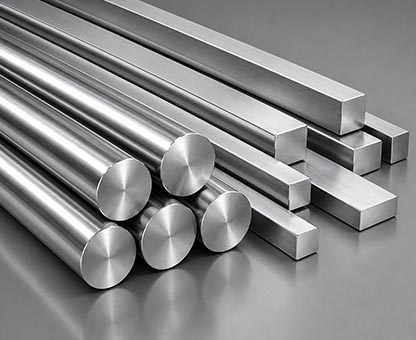
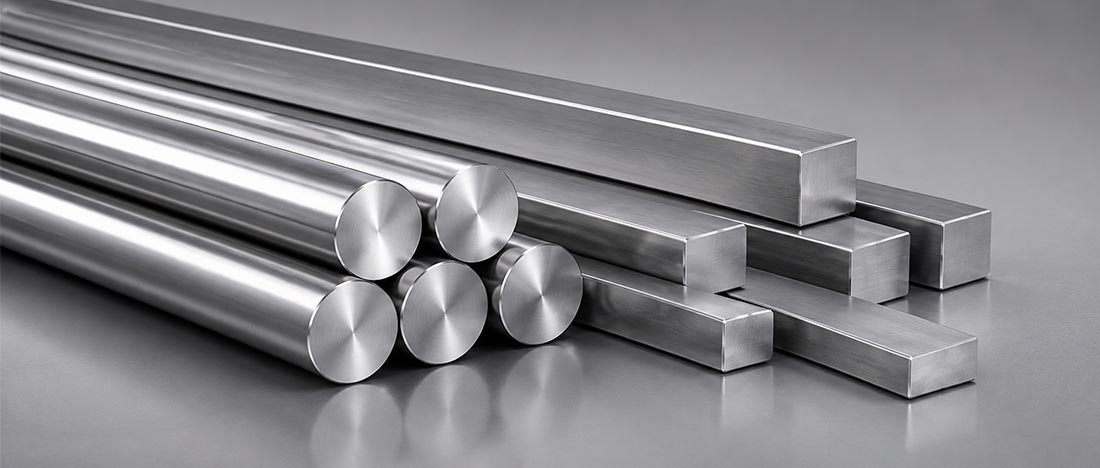
Stainless steels are special steels that, thanks to their chromium content, show high resistance to corrosion and stand out for their durability and long-lasting performance. Thanks to their chemical, mechanical and aesthetic properties they are used with confidence in many industries and are preferred in applications requiring hygiene, strength and environmental resistance.
Key Properties
- High corrosion and oxidation resistance
- Long service life
- Strength at high temperatures
- Hygienic, easy-to-clean surface
- Aesthetic, decorative appearance
- Resistance to chemicals
- High strength and toughness
- Recyclable, environmentally friendly
Applications
Stainless steels are widely used in many sectors with harsh environmental conditions and high performance requirements:
- Food processing and food equipment
- Chemical and petrochemical plants
- Pharmaceutical and healthcare
- Energy industry
- Marine and shipbuilding
- Architectural and decorative applications
- White goods manufacturing
- Automotive industry
- Defence and aerospace applications
- Industrial machinery and equipment manufacturing
Types of Stainless Steel
Austenitic Stainless Steels
They are the most widely used stainless steel group. They offer high corrosion resistance, good formability and weldability.
Ferritic Stainless Steels
Magnetic stainless steels with good corrosion resistance that offer economical solutions.
Martensitic Stainless Steels
Preferred for applications requiring high hardness and wear resistance. Their mechanical properties can be enhanced by heat treatment.
Duplex Stainless Steels
Combine the advantages of austenitic and ferritic structures, providing high strength and superior corrosion resistance.
Advantages
Stainless steels reduce total operating costs thanks to their low maintenance requirements and long service life. Their corrosion resistance provides reliable performance in harsh operating conditions, while their aesthetic appearance makes them a choice for architectural and decorative applications as well.
| STAINLESS STEELS | |
| AISI 304 / EN 1.4301 | AISI 410 / EN 1.4006 |
| AISI 304L / EN 1.4307 | AISI 420 / EN 1.4021 |
| AISI 316 / EN 1.4401 | AISI 430 / EN 1.4016 |
| AISI 316L / EN 1.4404 | Duplex 2205 / EN 1.4462 |
| AISI 321 / EN 1.4541 | AISI 630 (17-4 PH) |

Structural Steels
Structural Steels
And Met Metal
Products
By Grade
We’re just a phone call away for your steel needs!
+90 216 766 00 50
info@andmet.com

Structural Steels
Structural steels are engineering materials widely used in construction, machinery and industrial projects thanks to their high strength, durability and weldability. Designated according to tensile strength, they are frequently used in sectors where tensile strength and yield strength are the primary considerations (machine construction, bridge building, etc.). Produced for different loads and operating conditions, structural steels are among the basic components of safe, long-lasting structures.
Key Properties
- High mechanical strength
- Good weldability
- Easy formability
- Resistance to impact and fatigue
- Economical and efficient use
- Long service life
Applications
Structural steels have a broad range of uses across many sectors:
- Steel-frame structures
- Industrial plants
- Factory and warehouse buildings
- Bridges and viaducts
- Power plants
- Machinery and equipment manufacturing
- Cranes and lifting systems
- Infrastructure and engineering projects
- Machining
Advantages
Thanks to their high load-bearing capacity and low weight, structural steels are preferred in modern engineering projects. Being easy to machine and weld, they speed up production and assembly while offering cost advantages. Their performance under earthquake and dynamic loads also contributes to building safe structures.
By combining durability, safety and economical solutions, structural steels are among the indispensable materials of modern construction and industrial applications.
| STRUCTURAL STEELS | |
| S235 JR | St 44-2 |
| St 37-2 | St 60-2 |
| S355J2 | S355J2G3 |
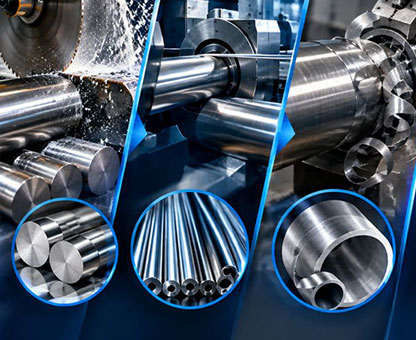
Toll Processing
Toll Processing
And Met Metal
We’re just a phone call away for your steel needs!
+90 216 766 00 50
info@andmet.com
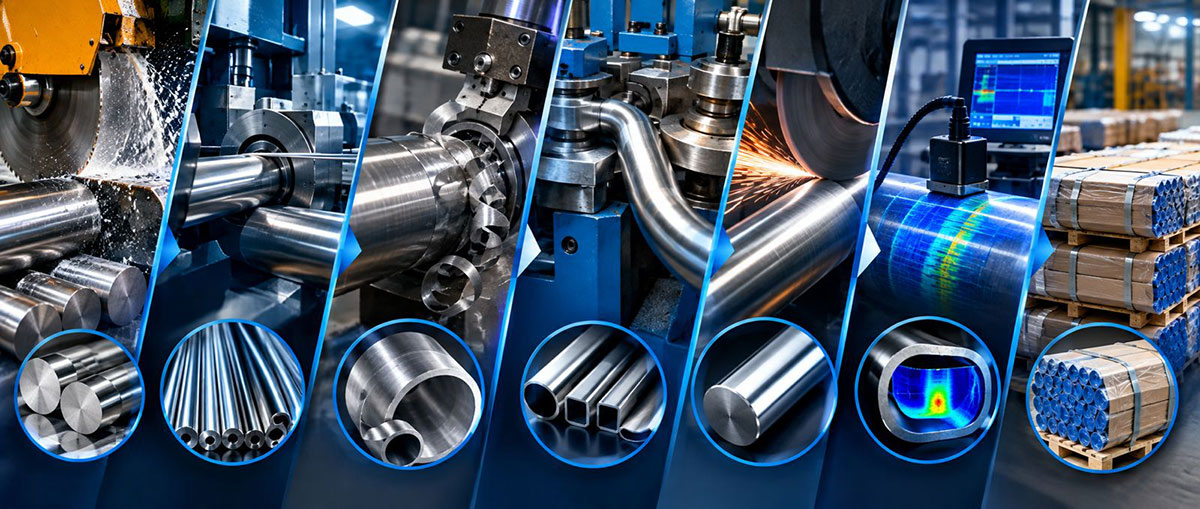
Toll Processing
In line with customer requests, operations such as:
- Cutting
- Cold drawing
- Peeling
- Special forming
- Grinding
- Surface and internal non-destructive testing
- Special packaging
are carried out together with our approved manufacturers, in accordance with the required technical specifications and under the supervision of our own inspection and control team.
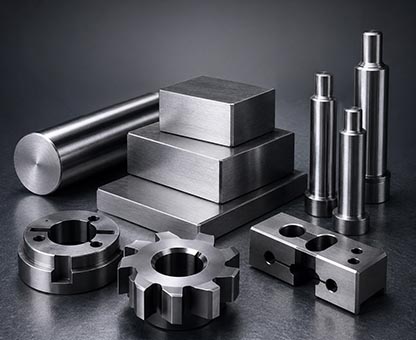
Tool Steel
Tool Steel
And Met Metal
Products
By Grade
We’re just a phone call away for your steel needs!
+90 216 766 00 50
info@andmet.com
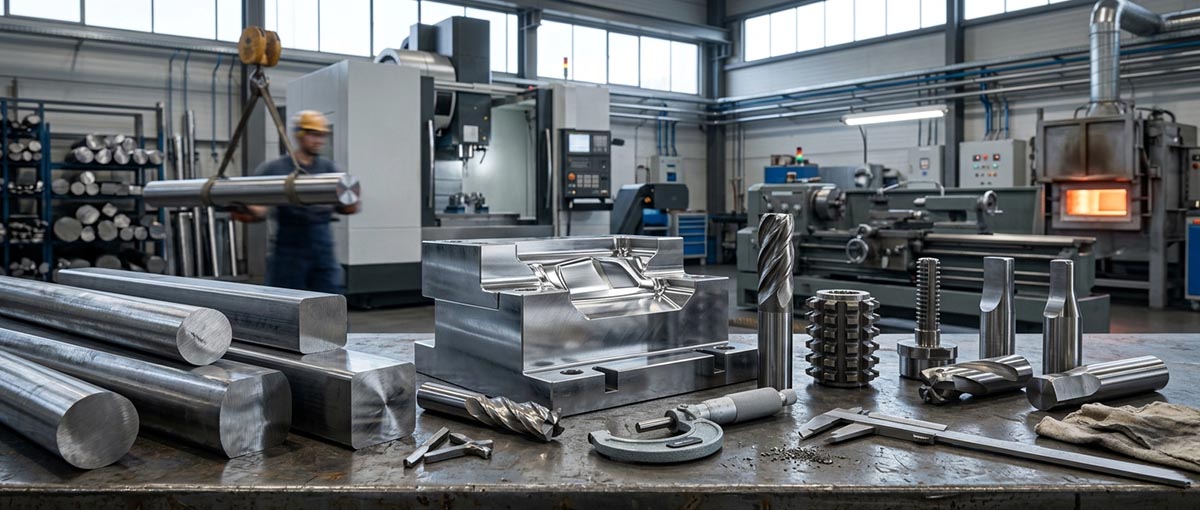
Tool Steel
Tool steels are high-performance special steels developed for manufacturing the tools and dies used in cutting, forming, punching, pressing and moulding operations. Their high hardness, wear resistance, toughness and heat resistance give them long service life under demanding conditions. They include alloy and high-speed steels capable of being hardened and tempered.
Key Properties
- High hardness and strength
- Superior wear resistance
- High resistance to pressure and impact
- Superior mechanical properties that can be enhanced through heat treatment
- Long service life
- Ability to maintain performance at high temperatures
Applications
Tool steels are critically important across many areas of manufacturing:
- Cutting tools
- Turning tools
- Cold-work dies
- Hot-work dies
- Plastic injection moulds
- Sheet-metal forming dies
- Forging and extrusion equipment
Types of Tool Steel
Cold-Work Tool Steels
Used in cutting, punching and cold-forming dies operating at low and medium temperatures. They offer high wear resistance and hardness. These steels are used in applications below 200 °C.
Hot-Work Tool Steels
Preferred for forging, extrusion and pressure die-casting dies operating at high temperatures. Resistant to thermal fatigue and heat checking.
High-Speed Steels (HSS)
Steels that retain their properties at high temperatures, generally used for drilling and cutting/turning tools. Mould steels are the steels used in the moulds of plastic injection machines; their most important property is a flawless surface finish.
Advantages
Tool steels reduce operating costs by providing high precision and long tool life in production. Their resistance to wear, impact and high temperatures increases efficiency in mass-production applications.
Why Tool Steel?
With high performance, precise production, long service life and reliable operation, tool steels are among the indispensable materials of modern manufacturing. They offer maximum durability and efficiency under demanding production conditions.
| TOOL STEELS | |
| 1.2343 (X 37 CrMoV 5-1) | 1.2714 (55 NiCrMoV 7) |
| 1.2344 (X 40 CrMoV 5-1) | 1.2842 (90 MnCrV 8) |
| 1.2367 (X 38 CrMoV 5-3) | 1.2083 (X40 Cr14) |
| 32CrMoV12-10 | |